
At a Glance
This guide is for parents in Cloverdale, BC, seeking clear, practical advice on children's oral health. It covers when to schedule your child's first dental visit, daily care routines that work, and what to expect from pediatric dentistry. Here at 5 Corner Dental, located at 5989 168 St #1 in Cloverdale, we're your local partner in building a foundation for a lifetime of healthy smiles.
The Journey to a Healthy Smile Begins Early
There's something magical about a child's first gummy smile—and with it comes the responsibility of keeping those little teeth healthy. If you're a parent in Cloverdale or the surrounding Surrey area, you might feel overwhelmed by questions about children's oral health. When should your child first see a dentist? What's the right way to brush tiny teeth? How do you know if something isn't quite right?
You're not alone in wondering. Navigating pediatric dental care can feel confusing, especially when you want to do everything right for your child. The good news is that building healthy habits early is simpler than you might think—and you don't have to do it alone. Here at 5 Corner Dental, we've been helping families in Cloverdale establish strong foundations for oral health for years. This guide will walk you through the essentials, answer your most pressing questions, and show you how we can partner with you to keep your child's smile bright and healthy.
When Should Your Child First Visit the Dentist?
This is the question we hear most often from new parents, and it's a great one to ask. The answer might surprise you: your child should have their first dental visit much earlier than you'd expect.
The Canadian Dental Association recommends🔗 a child's first dental visit within 6 months of the eruption of the first tooth, or by 12 months of age at the latest. Yes, that's right—even before your child has a full set of baby teeth, we want to see them.
Why so early? This first visit isn't about treating cavities (though we'll check for them). It's about three important things. First, it helps your child become comfortable with the dental environment in a low-pressure way, building positive associations with dental care that will last a lifetime. Second, we can spot any early issues—like tooth decay or bite concerns—before they become problems. Third, and perhaps most importantly, we get to educate you. We'll show you the best ways to clean your baby's teeth, discuss nutrition, and answer all those questions keeping you up at night.
Building a Foundation: Daily Habits for Your Child's Oral Health
Once you've had that first visit, the real work happens at home. Daily dental habits are the cornerstone of preventing problems down the road. Let's break down what actually works.
Brushing and Flossing: A Family Affair
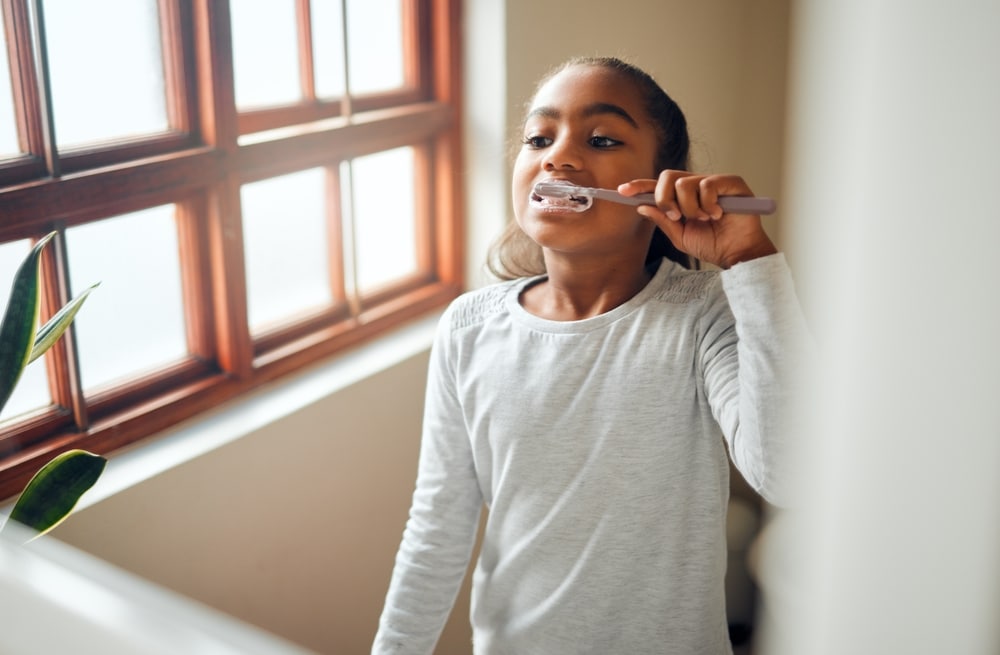
Brushing starts before teeth even arrive. When your baby is born, you can gently wipe their gums with a clean, damp cloth after feeding. Once that first tooth pops through, it's time for a soft-bristled toothbrush.
For babies and toddlers under three years old, use just a smear of fluoride toothpaste—about the size of a grain of rice. From ages three to six, increase it to a pea-sized amount. This small amount is enough to protect developing teeth without any concern about swallowing too much fluoride. Brush twice daily, especially before bed.
As your child grows, make brushing a family activity. Brush your teeth together, let them see you doing it, and make it fun rather than a chore. Around age two or three, you can start introducing the idea of flossing, though most children won't be able to floss independently until around age six or seven. Until then, you'll do it for them—just once a day between teeth that touch.
Nourishing Growing Teeth: The Link Between Diet and Dental Health
What your child eats directly affects their teeth. Sugary snacks and acidic drinks create an environment where cavity-causing bacteria thrive. Every time your child has sugar, bacteria in their mouth produce acid that attacks tooth enamel for about 20 minutes afterward. Frequent snacking means frequent acid attacks.
This doesn't mean no treats ever—it means being strategic. Limit sugary snacks to mealtimes rather than throughout the day. Choose water over juice or sports drinks. When your child does have something sweet, offer it with a meal rather than alone. For a deeper dive into how nutrition shapes dental health, read our guide on diet impacts🔗.
Understanding Fluoride: A Protector for Young Teeth
Fluoride is one of the most effective tools we have for preventing cavities, and it's worth understanding how it works. Fluoride strengthens tooth enamel, making it more resistant to the acid attacks that cause decay. Think of it as armor for your child's teeth.
Your child gets fluoride from several sources. It's in most toothpastes (that's why we use fluoride toothpaste even for babies, in small amounts). It's also in the water you drink—and here's some good news for Cloverdale families: tap water in Surrey is fluoridated🔗 as part of the Metro Vancouver water system. This means your child is getting fluoride protection just by drinking water. At our office, we can also apply professional fluoride treatments during check-ups for extra protection, especially if your child is at higher risk for cavities.
Some parents worry about fluoride, but the amount in toothpaste and water is carefully controlled and safe for children when used as directed. We're happy to discuss any concerns during your visit.
What to Expect During a Pediatric Dental Visit at 5 Corner Dental
Knowing what to expect can ease anxiety for both you and your child. Let's walk through a typical visit to our Cloverdale dental office🔗.
For infants and very young toddlers, we often do what's called a "knee-to-knee" exam, where your child sits on your lap while we gently examine their teeth and gums. This keeps them comfortable and lets us get a good look at what's happening. We'll use a small mirror and gentle instruments, and we'll take our time. There's no rush.
For older children, they'll sit in the dental chair while we do a thorough examination. We'll check for cavities, look at how teeth are coming in, and assess their bite. If needed, we'll take X-rays—and yes, dental X-rays are safe for children. We use the lowest radiation dose possible, and we protect your child with a lead apron.
After the exam comes a gentle cleaning. We'll remove any plaque buildup and polish the teeth. Then comes the part many kids actually enjoy: we talk about what we found and what comes next. We'll show your child their teeth (maybe on a screen), explain in kid-friendly language what's happening, and give them tips they can understand. We also talk with you about what you're doing well and where we can make adjustments.
We understand that visiting the dentist can feel scary for some children. If your child has dental anxiety, we have strategies to help. Learn more about our compassionate approach🔗 to making dental visits positive experiences.
Common Childhood Dental Concerns and How We Help
As a parent, you probably worry about cavities, crooked teeth, and all the things that could go wrong. Let's talk about the most common issues we see and how prevention and early intervention make all the difference.
Cavities in Baby Teeth: Why They Matter
Baby teeth might be temporary, but they're incredibly important. They help your child chew food properly, speak clearly, and they guide permanent teeth into the right position as they come in. A cavity in a baby tooth isn't something to ignore—it can cause pain, infection, and even affect the permanent tooth developing underneath.
The good news? Cavities are highly preventable. We recommend dental sealants for the chewing surfaces of back teeth, where cavities most commonly form. A sealant is a thin, protective coating we apply to seal out bacteria and food. It's quick, painless, and very effective. Combined with good brushing, flossing, and smart eating habits, sealants significantly reduce cavity risk.
Teething Troubles and Thumb-Sucking Habits
Teething is rough—for baby and for you. Sore, swollen gums are uncomfortable. Some relief strategies that work: a clean, cold teething ring, gentle gum massage with a clean finger, or (with your pediatrician's approval) appropriate pain relief. Teething doesn't cause fever or diarrhea, so if your child has those symptoms, it's worth checking with your doctor.
Thumb-sucking and pacifier use are normal for young children and usually not a dental concern until around age four or five. If the habit continues past age six or seven, it can start to affect how teeth come in and how the jaw develops. If your child is still sucking their thumb at that age, we can discuss gentle strategies to help them break the habit. Often, positive reinforcement works better than punishment.
The Importance of Regular Check-ups for Prevention
Here's the truth: the best dental treatment is prevention. Regular check-ups—we recommend every six months for children—let us catch small problems before they become big ones. We can spot early signs of decay, monitor how teeth are coming in, and make sure everything is on track developmentally.
Regular check-ups are essential🔗 for keeping your child's smile healthy and catching issues early. They're also a chance for us to reinforce good habits and answer new questions as your child grows.
Your Local Cloverdale Pediatric Dentistry Partner
Here at 5 Corner Dental, conveniently located at 5989 168 St #1 in Cloverdale, we're dedicated to serving families in our community. We've built our practice around the belief that children deserve gentle, compassionate dental care from people who understand their needs and respect their fears.
We serve families from Cloverdale, Clayton Heights, and throughout the Surrey area. We know our community, and we're invested in the health of the children growing up here. When you bring your child to us, you're not just getting a dental check-up—you're becoming part of a practice that genuinely cares about your family's wellbeing.
Our approach to children's care is part of our broader commitment to preventive dental care🔗 for the whole family. We believe that healthy habits start young, and we're here to support you every step of the way.
Frequently Asked Questions About Children's Dental Health
Q: How can I prepare my child for their first dental visit to make it a positive experience? A: Start by talking about it in positive, simple terms. Avoid words like "shot," "pain," or "drill"—instead, say things like "the dentist will count your teeth" or "we'll clean your teeth to keep them strong." Read children's books about dental visits together. Let them bring a stuffed animal or comfort item. And on the day of the visit, stay calm and positive yourself—children pick up on parental anxiety. We'll do the rest, meeting your child where they are and making the experience as comfortable as possible.
Q: Are dental X-rays safe for children? A: Yes, absolutely. Dental X-rays use very low levels of radiation—less than you'd get from a day in the sun. We use the smallest dose necessary and protect your child with a lead apron. X-rays help us see between teeth and under the gums where cavities often hide, so we can catch problems early. We don't take X-rays routinely at every visit; we take them when clinically necessary, based on your child's individual risk.
Q: What should I do if my child knocks out a tooth? A: The first thing is to figure out whether it's a baby tooth or a permanent tooth—this changes what you do next. If it's a baby tooth, don't try to replant it. Instead, manage any pain, offer soft foods, and call us for guidance. If it's a permanent tooth, time is critical. Handle the tooth by the crown (the white part), not the root. If it's dirty, rinse it gently with milk or saline—don't scrub it. If possible, gently replant it in the socket. If you can't replant it, store it in milk and get to a dentist or emergency room immediately. Call us right away—we can often save the tooth if we act quickly.
Q: At what age should my child start using fluoride toothpaste? A: You can start using a tiny smear of fluoride toothpaste as soon as that first tooth appears, usually around six months old. For children under three, use just a grain-of-rice-sized amount. From ages three to six, use a pea-sized amount. The small amount is safe and provides important protection. After age six, your child can use a regular pea-sized amount and start learning to spit out toothpaste rather than swallow it.
Q: Does 5 Corner Dental accept dental insurance plans for children? A: We accept most major dental insurance plans and are happy to help you navigate your coverage. Many plans cover preventive care like check-ups and cleanings at 100%, which makes regular visits affordable. We can discuss your specific plan and what to expect cost-wise during your first visit. If you don't have insurance, we're still here to help—we can discuss payment options and work with you to keep your child's dental care accessible.
Ready to Partner with Us for Your Child's Healthy Smile?
Building healthy dental habits early is one of the best gifts you can give your child. It sets them up for a lifetime of strong teeth, confident smiles, and better overall health. But you don't have to figure it all out alone.
At 5 Corner Dental, we're here to support you and your family every step of the way. From that first visit to ongoing care as your child grows, we're committed to making dental health simple, comfortable, and positive. We know Cloverdale families, we understand your concerns, and we genuinely enjoy working with children.
If you're ready to schedule your child's first visit or have more questions about children's dental health, we'd love to hear from you. Contact our Cloverdale office🔗 today, and let's start building those healthy smiles together.

